September 1, 2026 | Invitation Only
CEO Forum 2026
Theme: Financing a Dignified Future
A closed-door forum for Nigeria's top business leaders and the policymakers shaping the country's next decade.
Nigeria’s private sector enters the second half of 2026 with greater macroeconomic stability than it has experienced in recent years—but significant pressure points remain.
The economy is projected to grow by approximately 4.1% in 2026( IMF 2026 report), supported by improving macroeconomic conditions, stronger performance across key service sectors and increased oil production. Inflation has also moderated substantially, reaching 15.91% in June 2026. However, continued pressure on food prices, operating costs and household purchasing power means that the country’s disinflationary progress is not yet fully secured.
The foreign-exchange market has become more orderly following recent reforms, although currency movements and access to foreign exchange remain important considerations for companies with imported inputs, foreign-currency obligations and regional operations. The Central Bank of Nigeria’s Foreign Exchange Code is also strengthening expectations around transparency, governance, ethical conduct and accountability within the FX market.Energy remains another major source of uncertainty. Continued geopolitical tensions and volatility in global oil markets have direct consequences for transportation, production, supply chains and consumer demand. Although higher oil prices can support government revenues, they can also increase domestic business costs particularly where higher export earnings are not matched by sufficient production volumes, stable energy supply and efficient transmission into the wider economy.
At the same time, government policy is reshaping how capital is mobilised and deployed. Fiscal reforms, greater market discipline and the growing emphasis on sustainable and climate-aligned finance are creating new expectations for corporate leadership, investment and accountability.
This is the environment in which the CEO Forum will convene: one of genuine economic progress, persistent volatility and rapidly evolving rules governing capital, energy and responsible business.
For CEOs, the question is, how prepared are you to lead through them. This will be the centre of the discussions not reading about the decisions afterward.
Why Attend?
You're in the room while the rules are still being written.
CEOs here speak directly with the regulators and policymakers shaping fiscal, FX, energy, and finance policy in real time.
Access most companies don't get.
Attendance is invitation-only and capped. Being here signals your seat at the table was earned, not requested.
A direct line to the capital.
Development finance institutions and investors deploying SDG-aligned capital are in the same room, not at a separate event.
Government presence, not just government topics.
At the 2025 Forum, Policy Maker - Taiwo Oyedele used the platform to disclose that Nigeria's forthcoming national fiscal policy would carry a dedicated SDG section.
Reputational proof, not just reputational claims.
Companies in this room will be the ones the market already recognizes as leading on sustainable growth in Nigeria.
Who Attends?
The CEO Forum builds on UN Global Compact Network Nigeria’s established convening record bringing together over 170 UN Global Compact signatories in Nigeria.
Our CEO Roundtable on the Forward Faster Initiative mobilised commitments from 20 companies, and our Living Wage Business Roundtable engaged 30 companies.
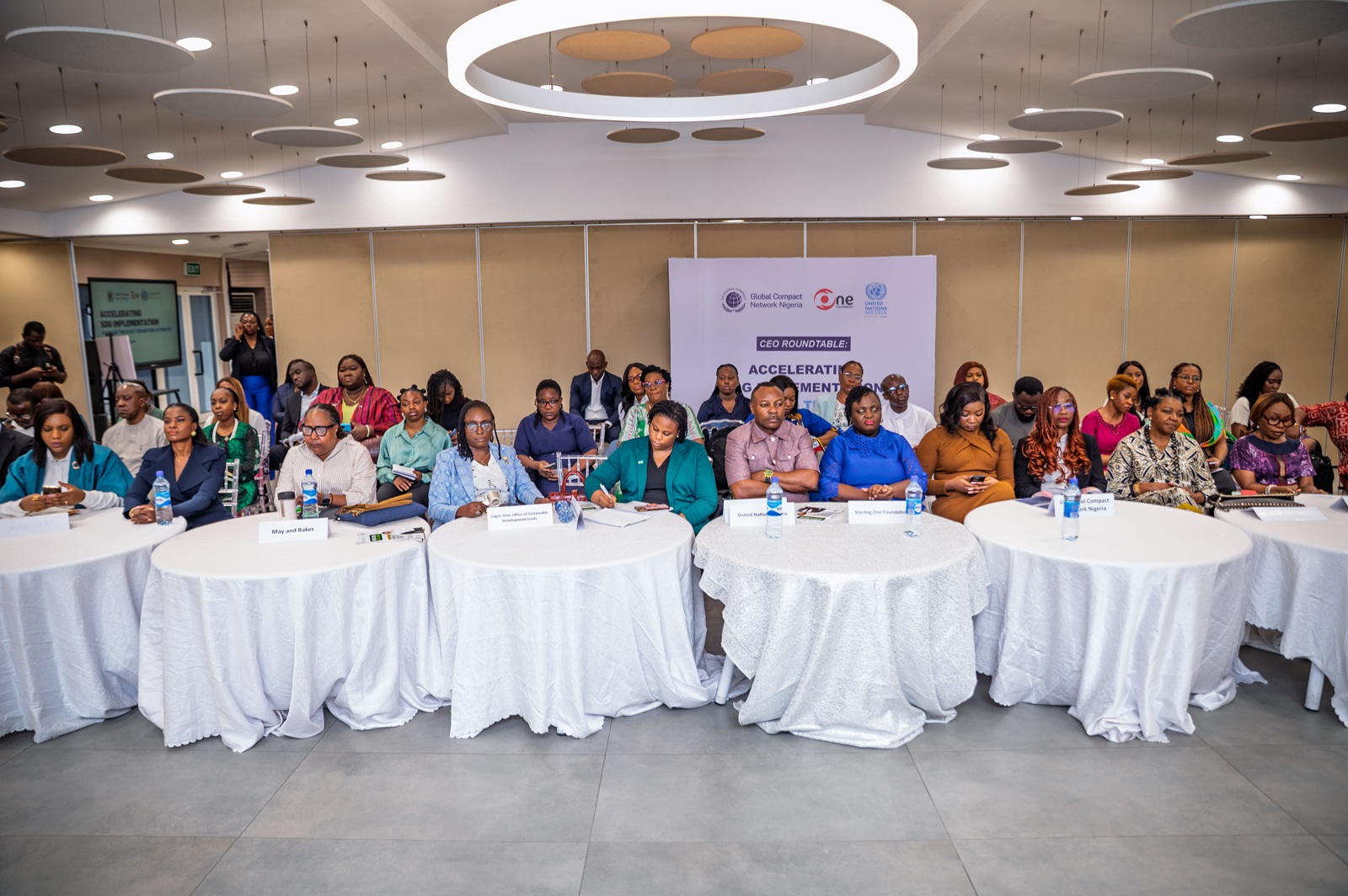
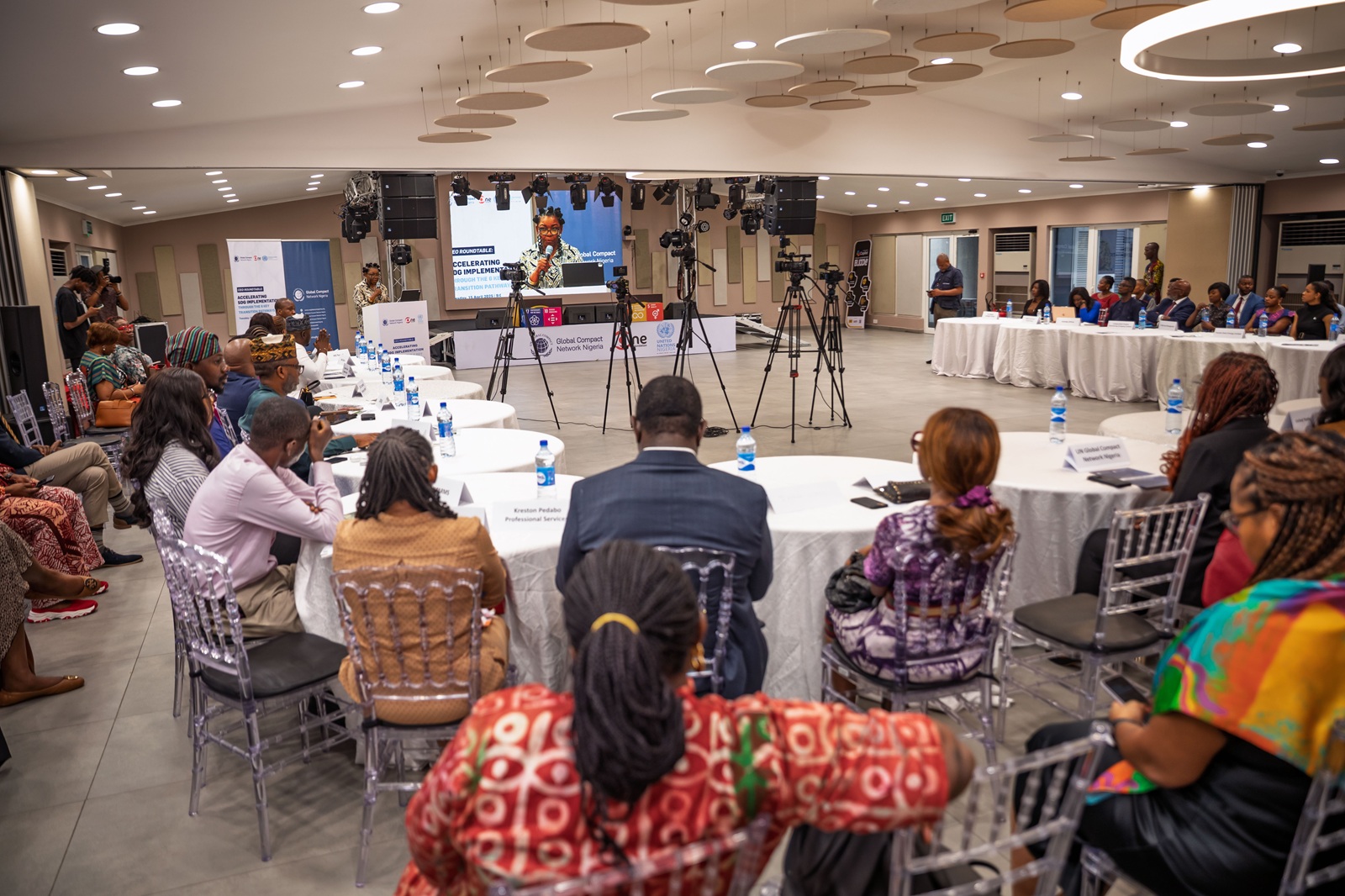
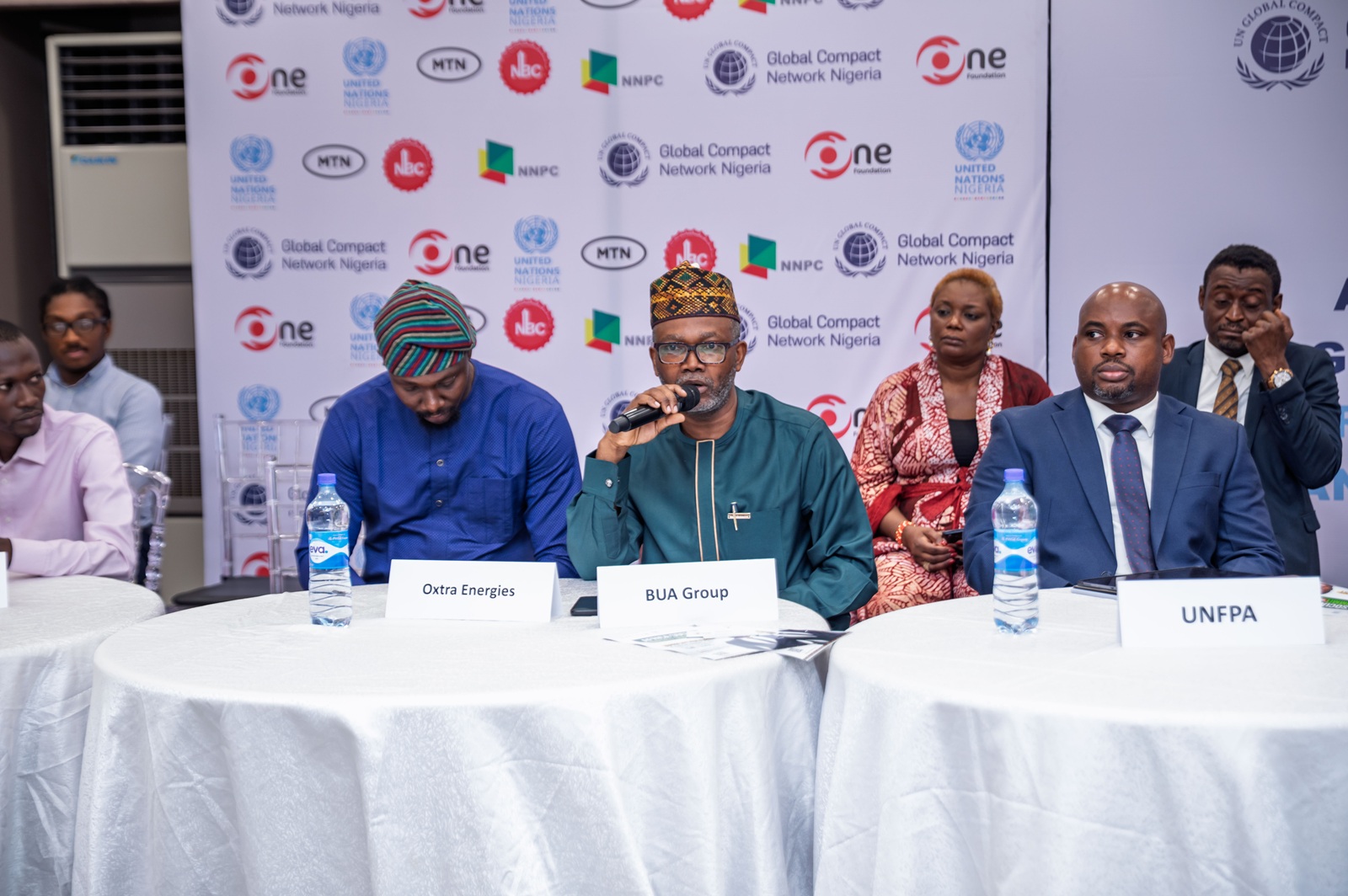
The 2025 edition, held in Lagos on 15 April 2025, was co-organised with the Sterling One Foundation and the United Nations in Nigeria.
Attendees typically include:
Chief Executives & Board-Level Leaders
Senior decision-makers from leading Nigerian and multinational companies shaping investment, growth, and corporate strategy.
Financial Institutions & Investors
Commercial banks, institutional investors, and impact capital providers driving blended finance and SDG-aligned investment.
Policymakers & Regulators
Senior government officials and regulators influencing fiscal policy, climate policy, finance frameworks, and private-sector reform.
Development Finance Institutions & Donor Partners
DFIs, bilateral agencies, and foundations supporting sustainable finance and inclusive growth.
Past Editions and Speakers
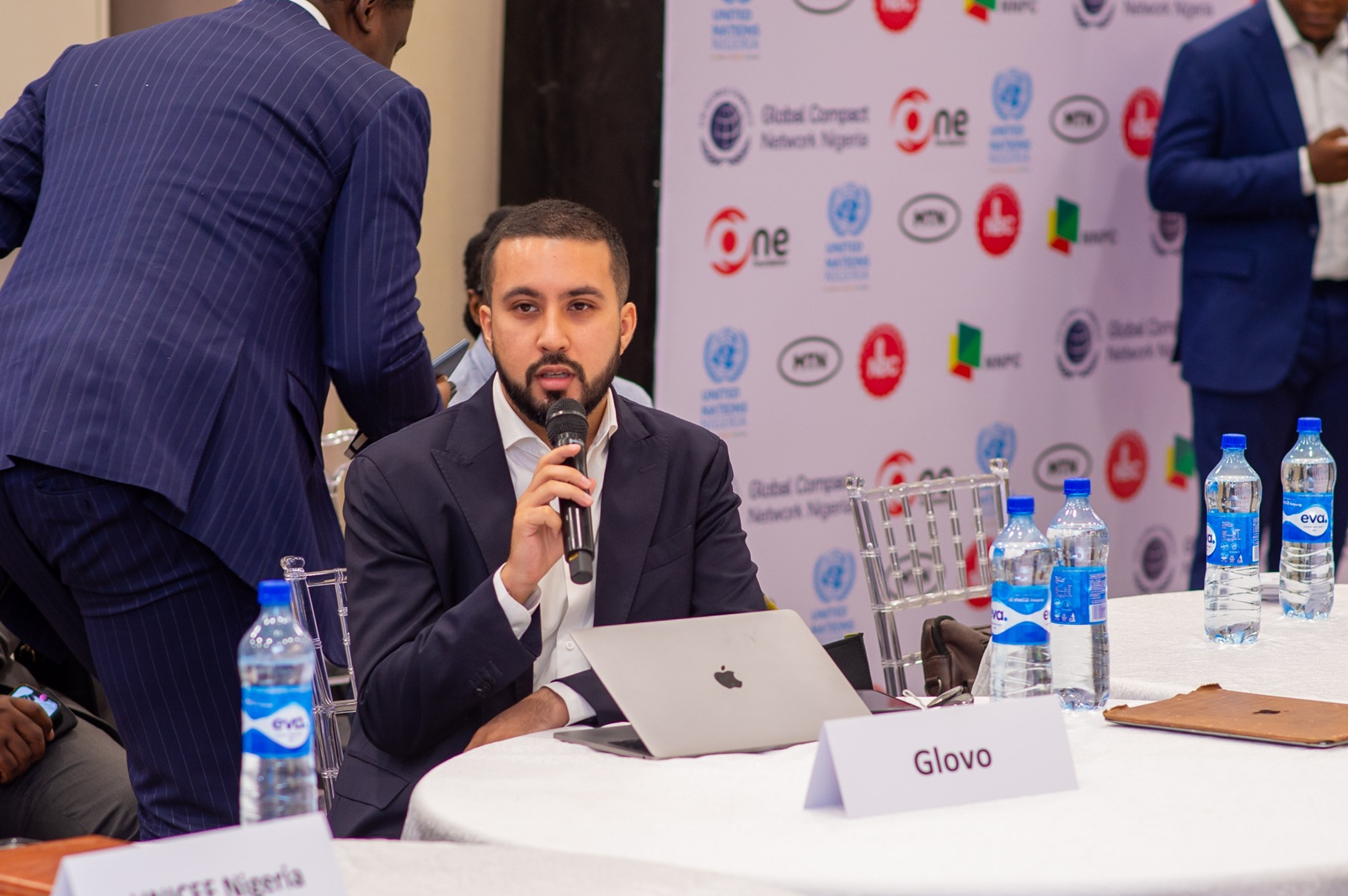
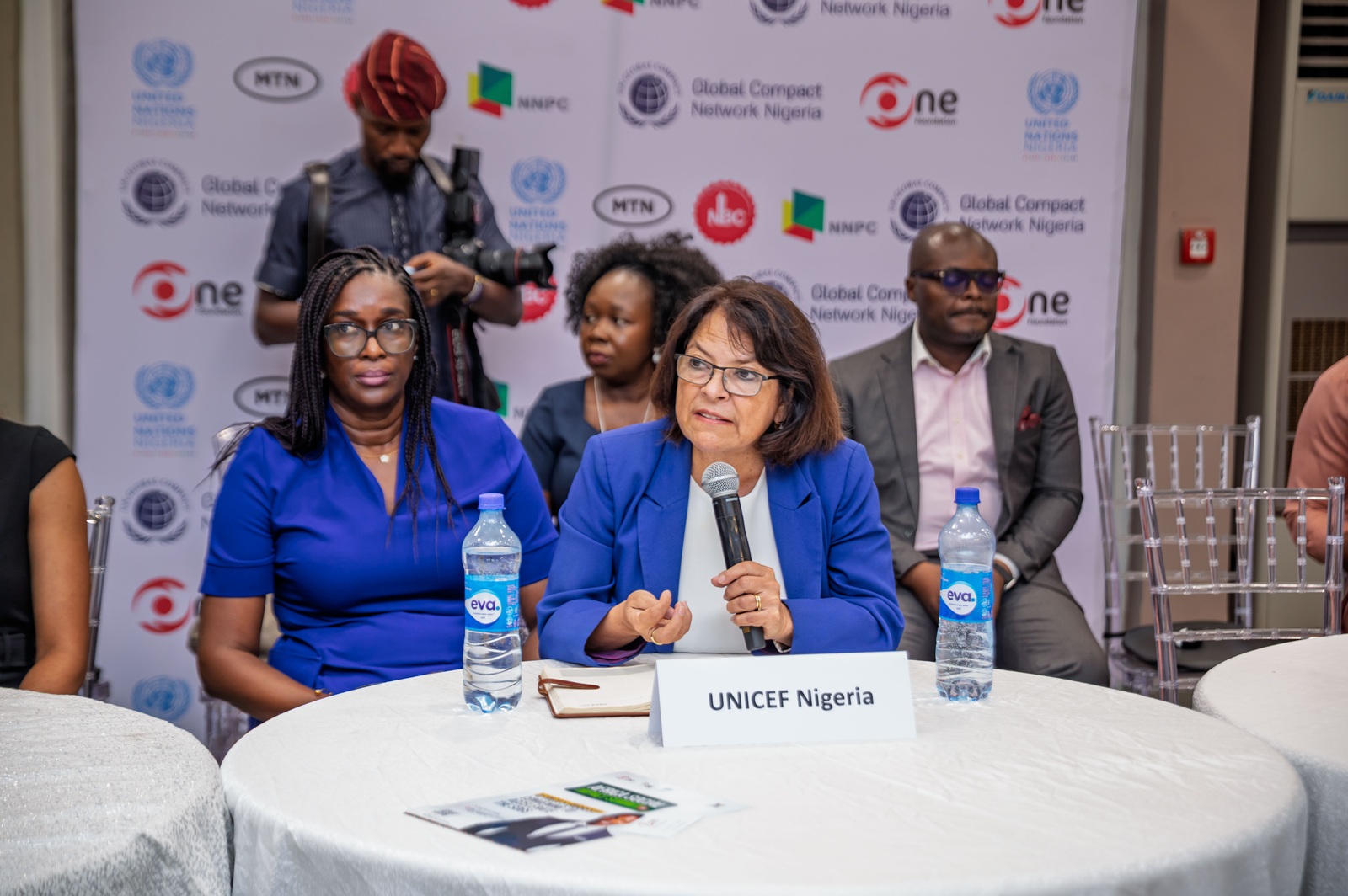
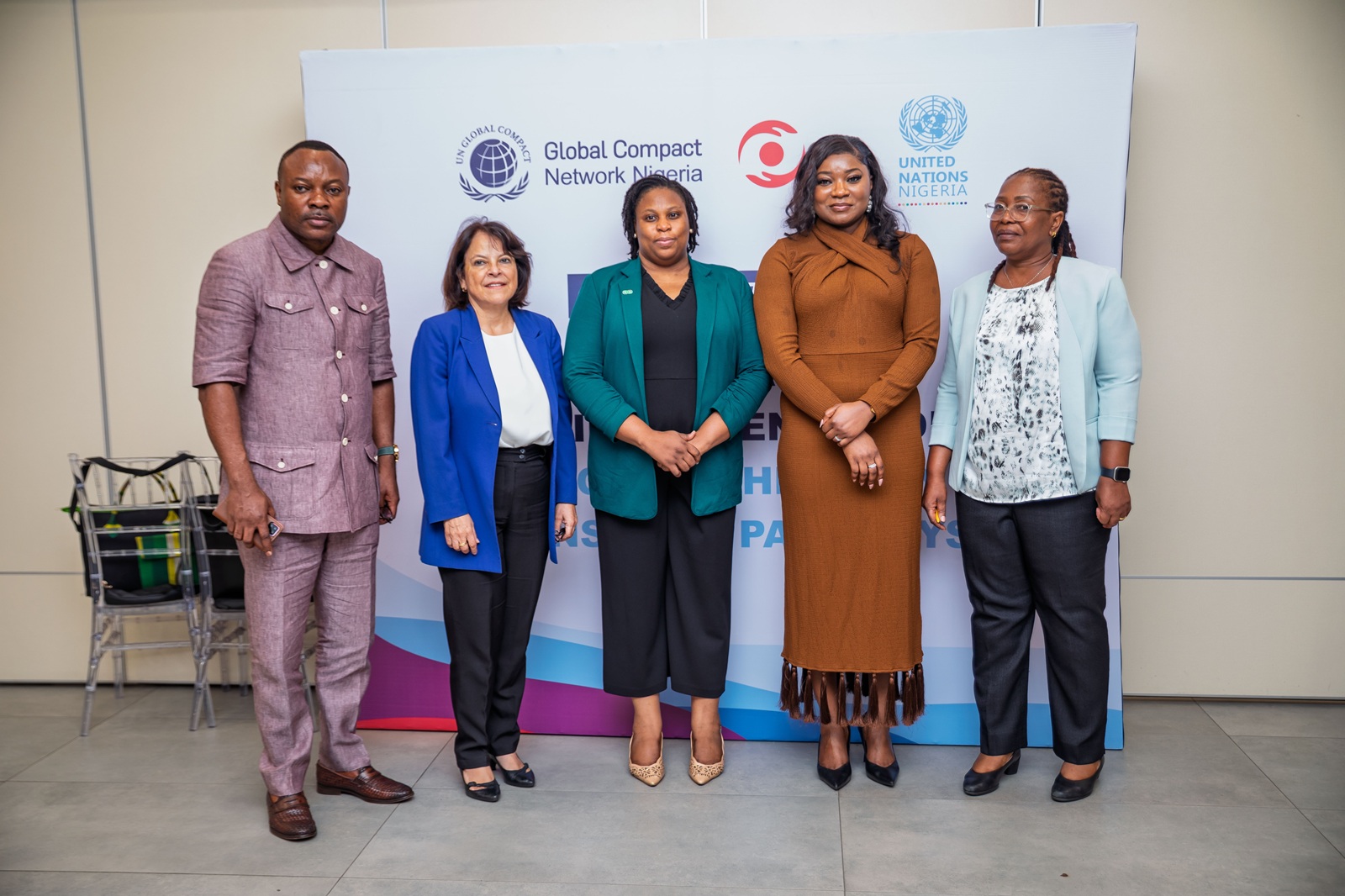
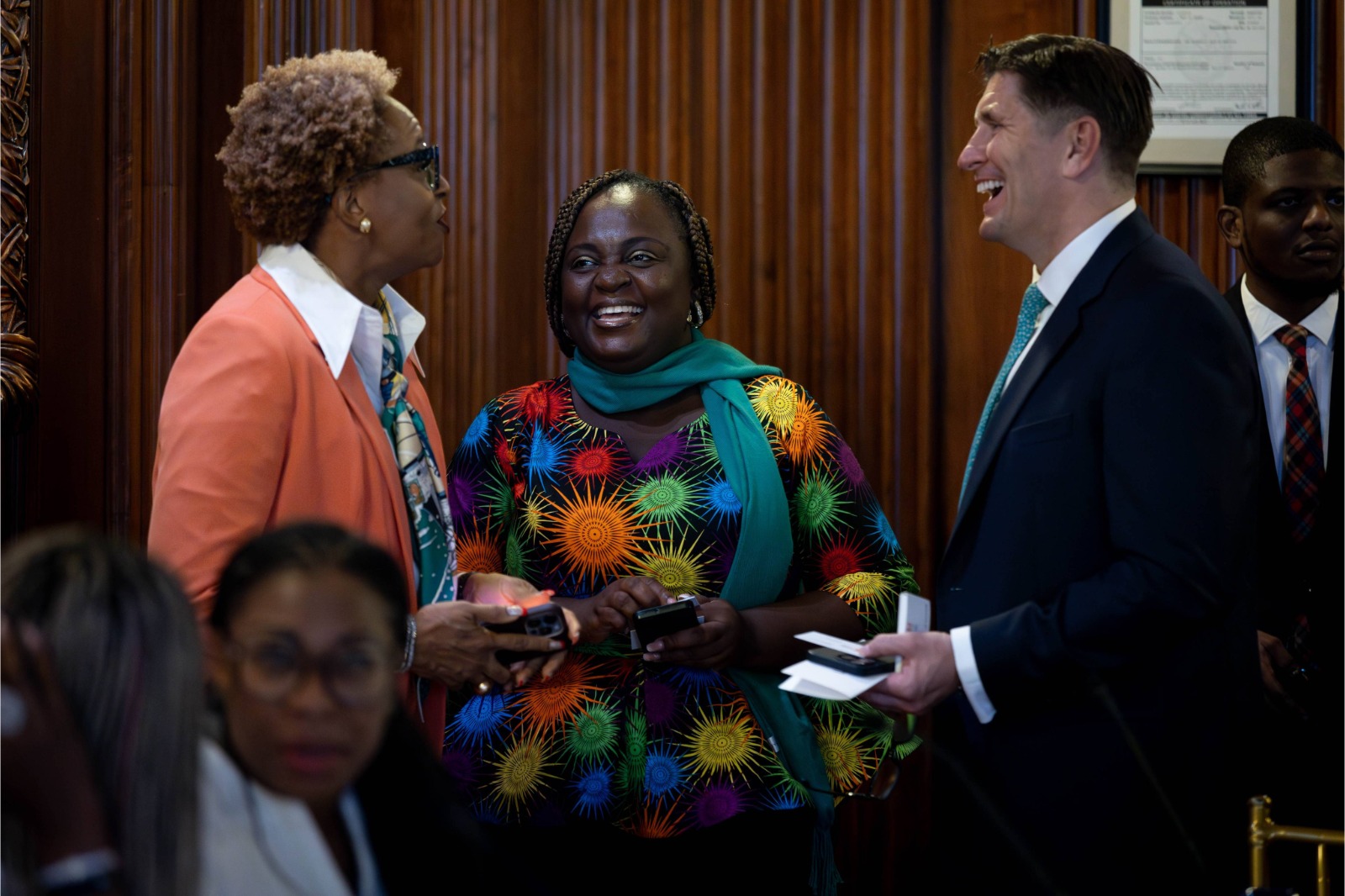
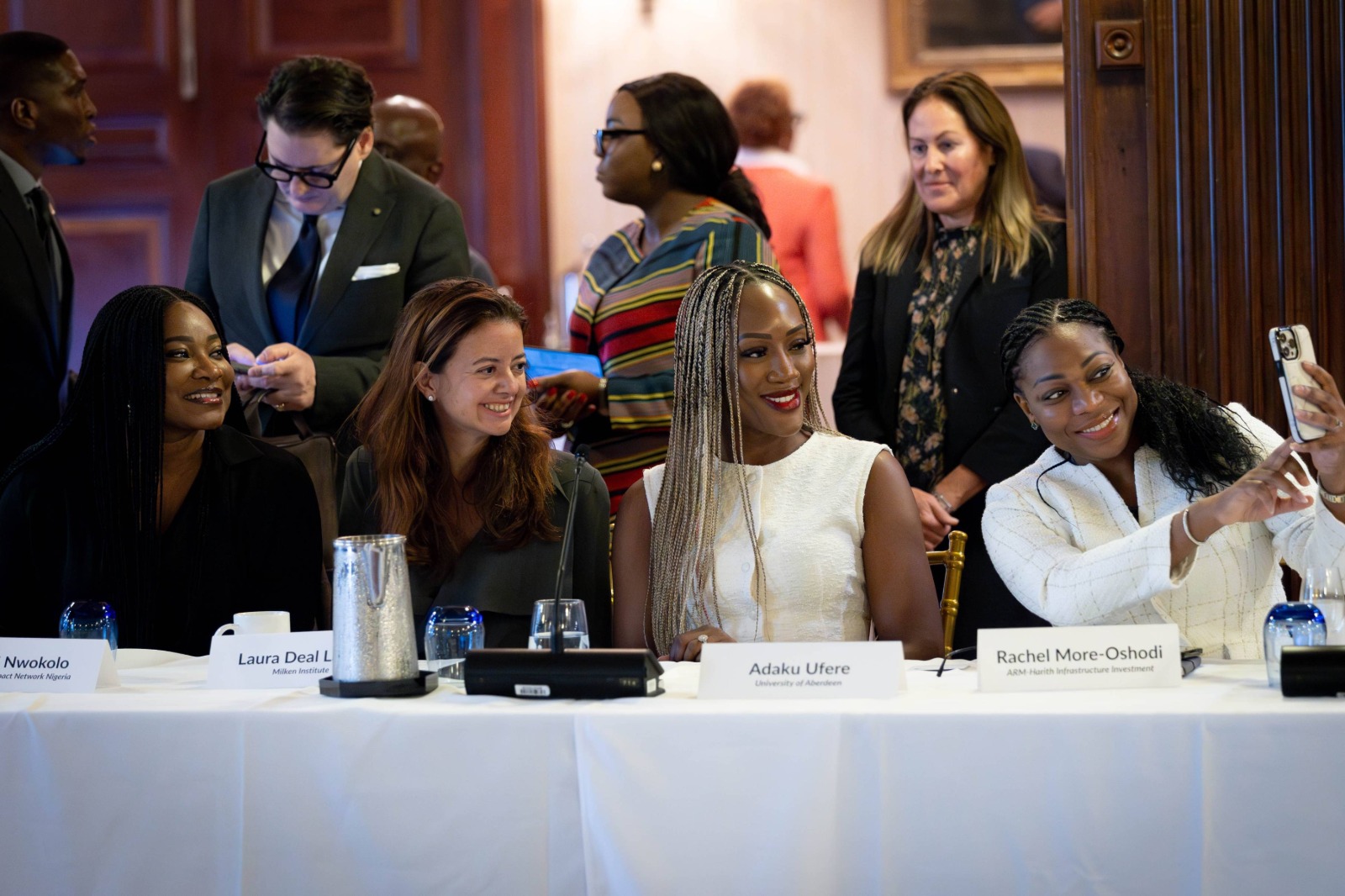
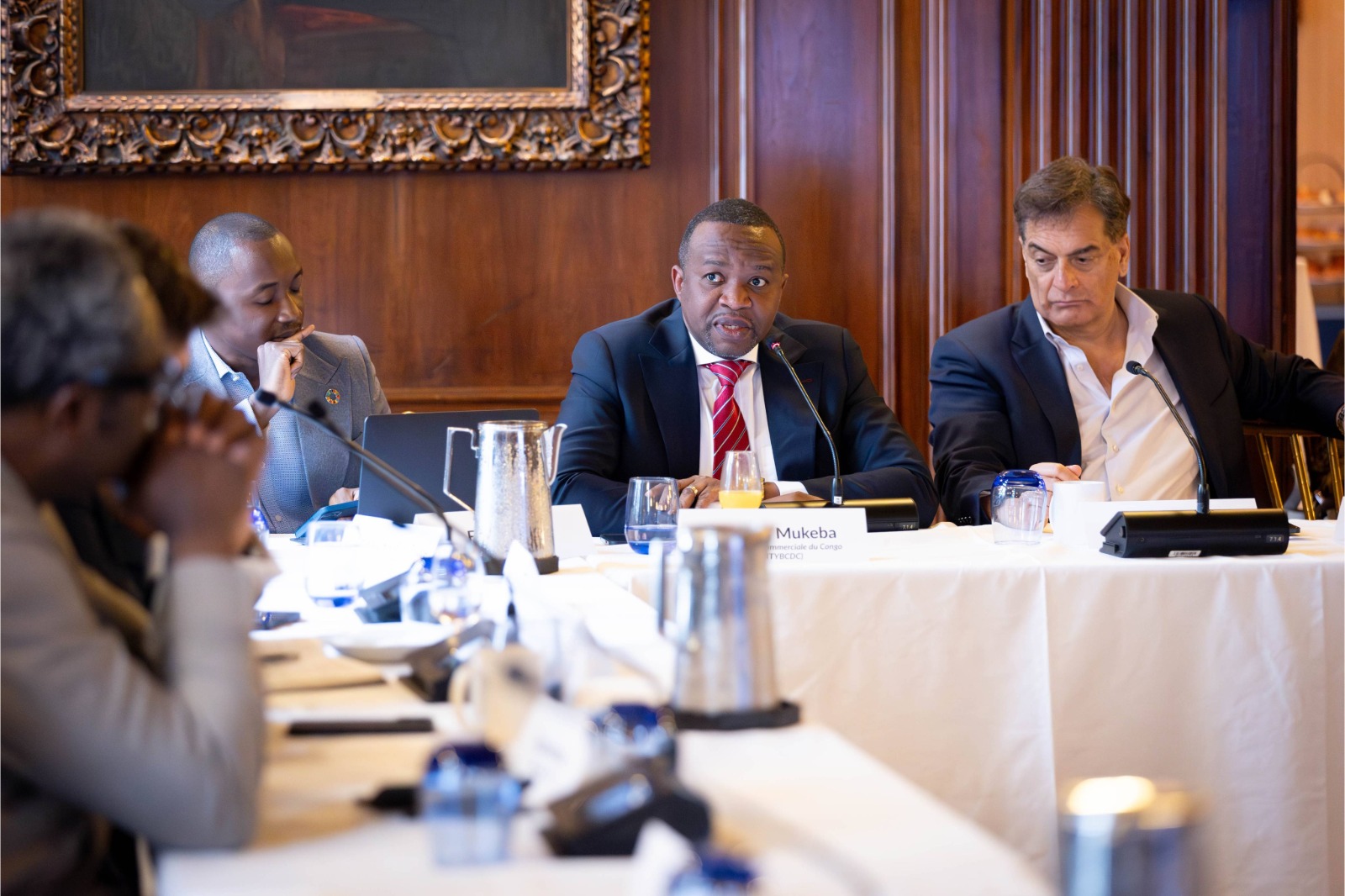
2025 Forum — Lagos, 15 April 2025
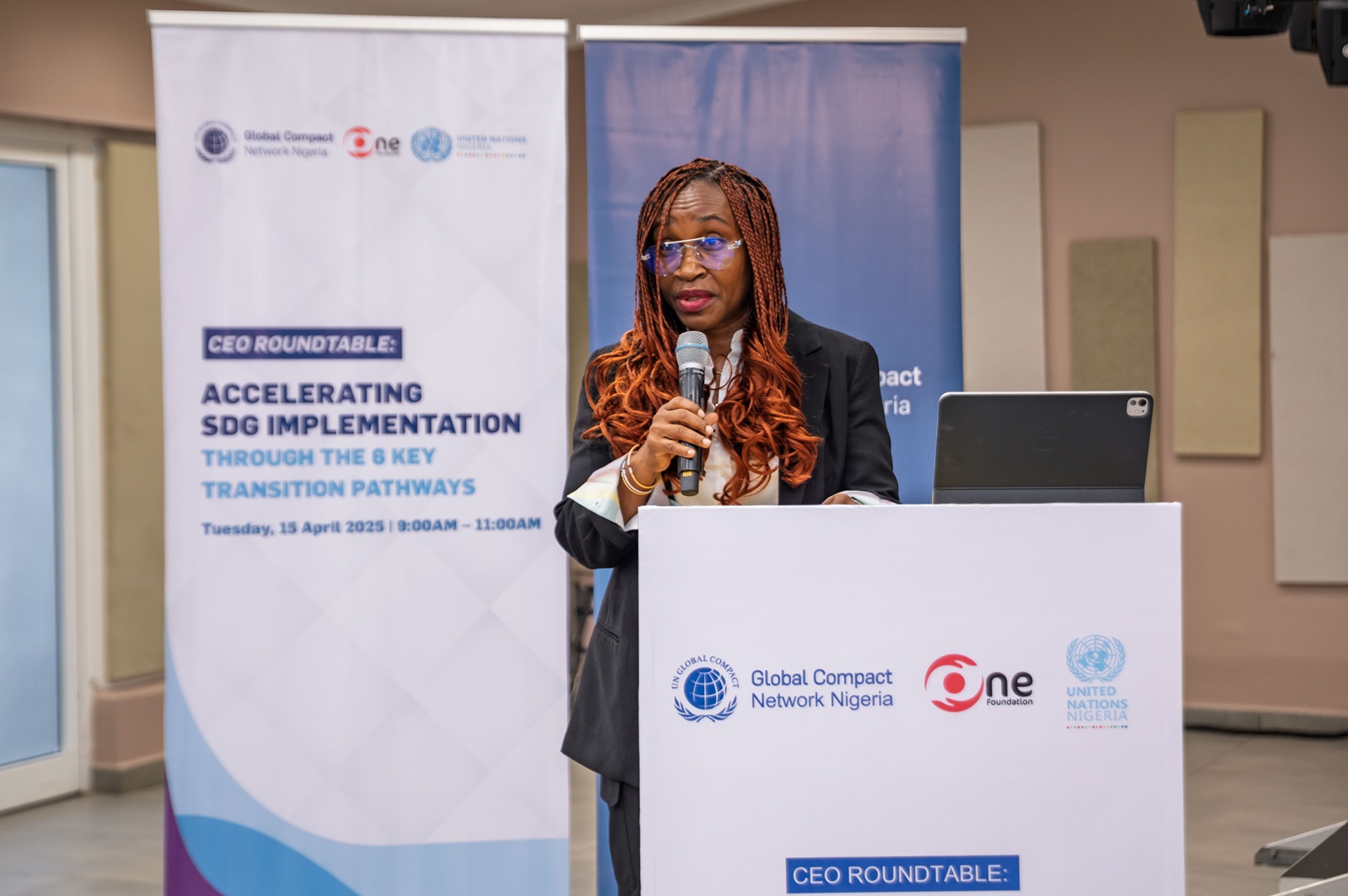
Convened by UN Global Compact Network Nigeria with the Sterling One Foundation and the United Nations in Nigeria, focused on six transition pathways for accelerating the SDGs: food systems, energy access, digital connectivity, education, jobs and social protection, and climate resilience.
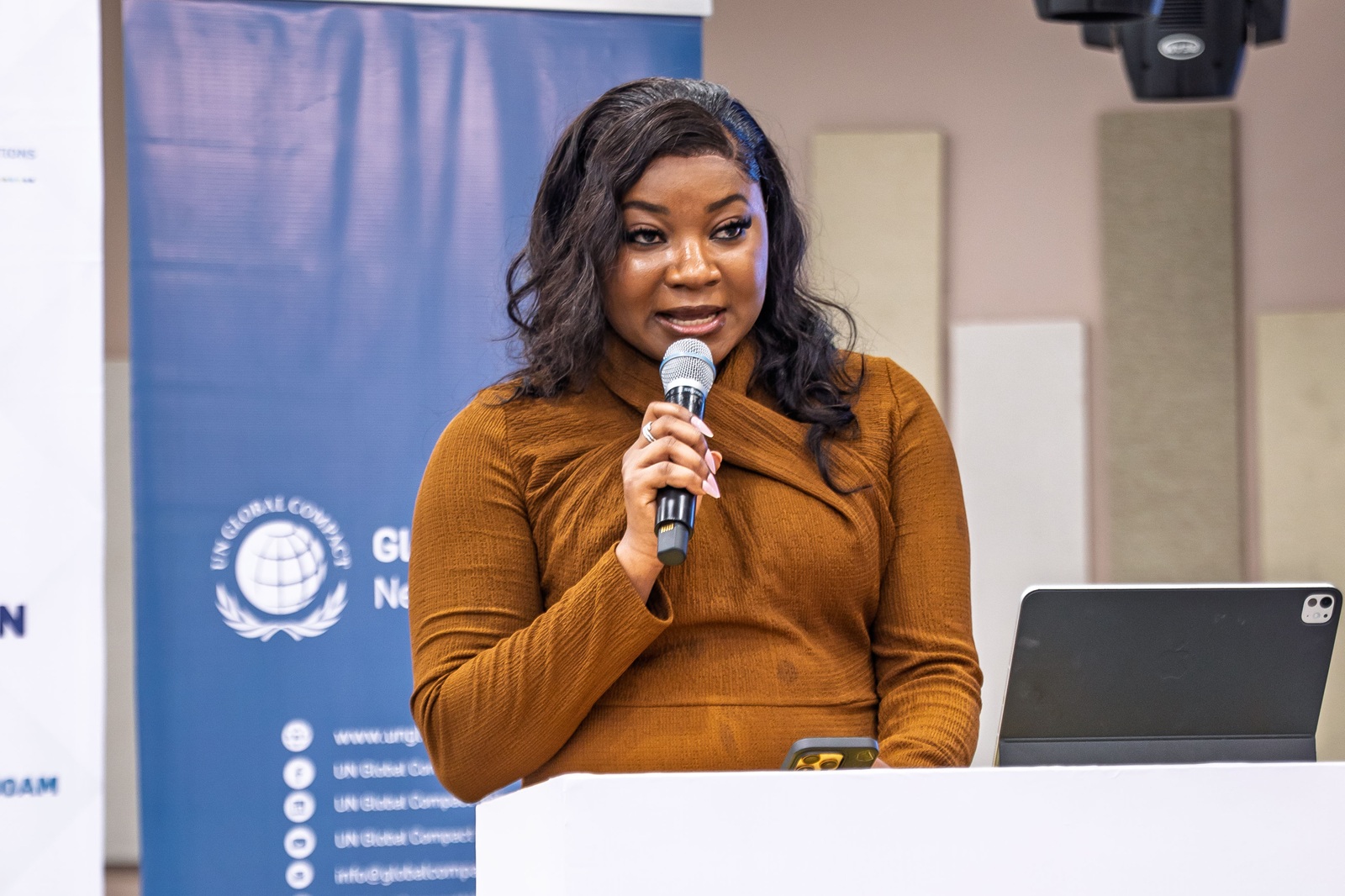
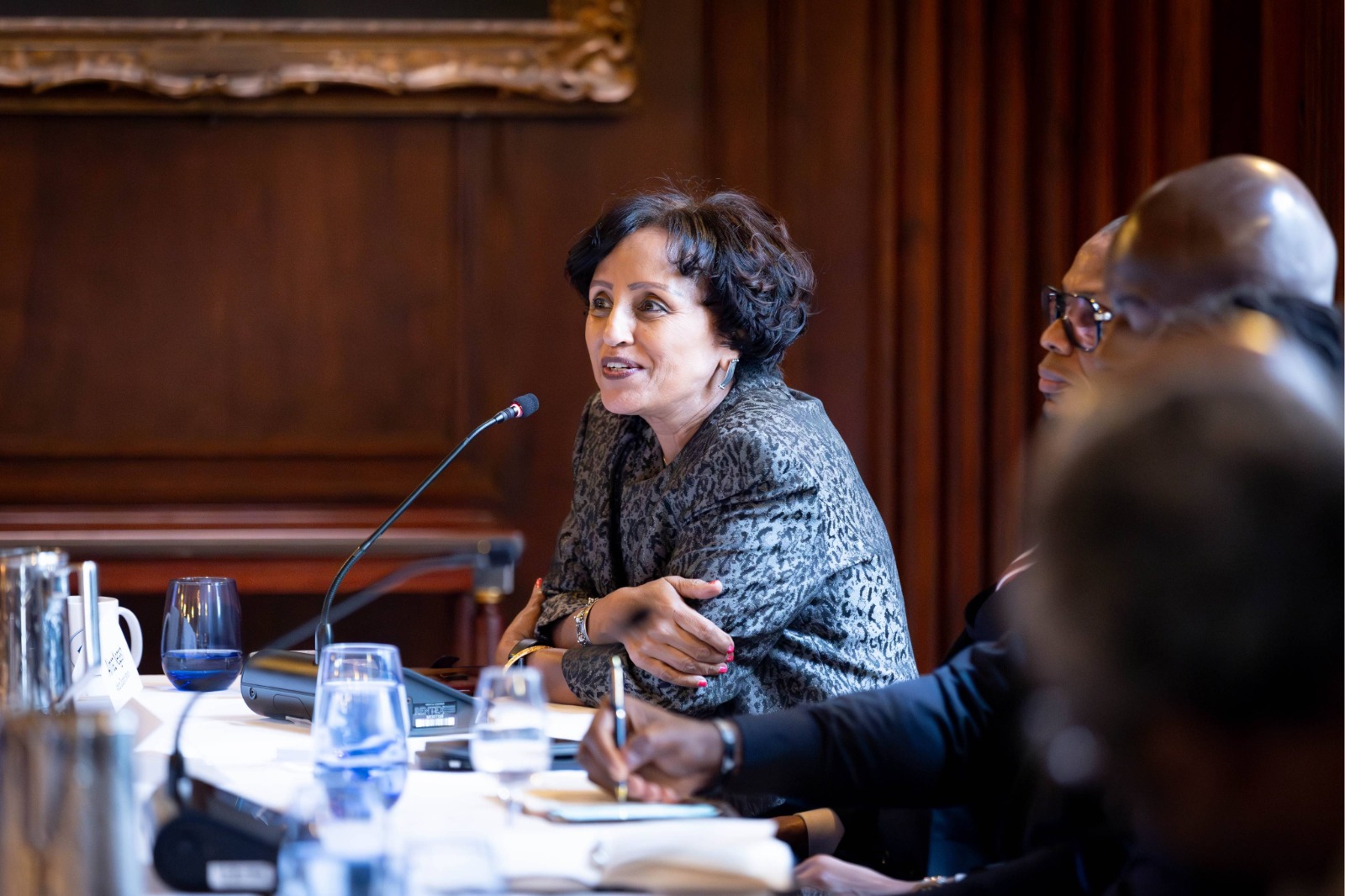
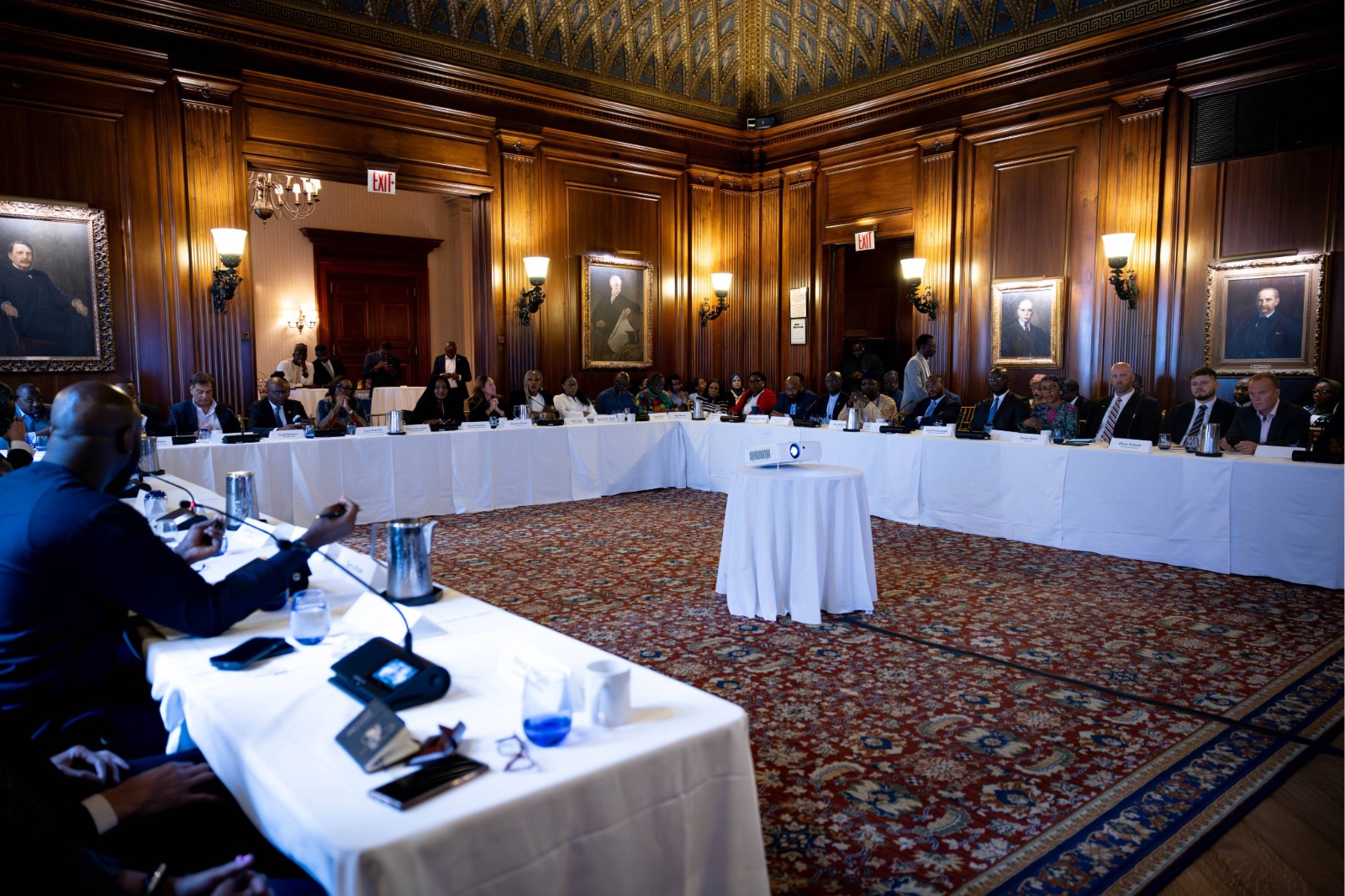
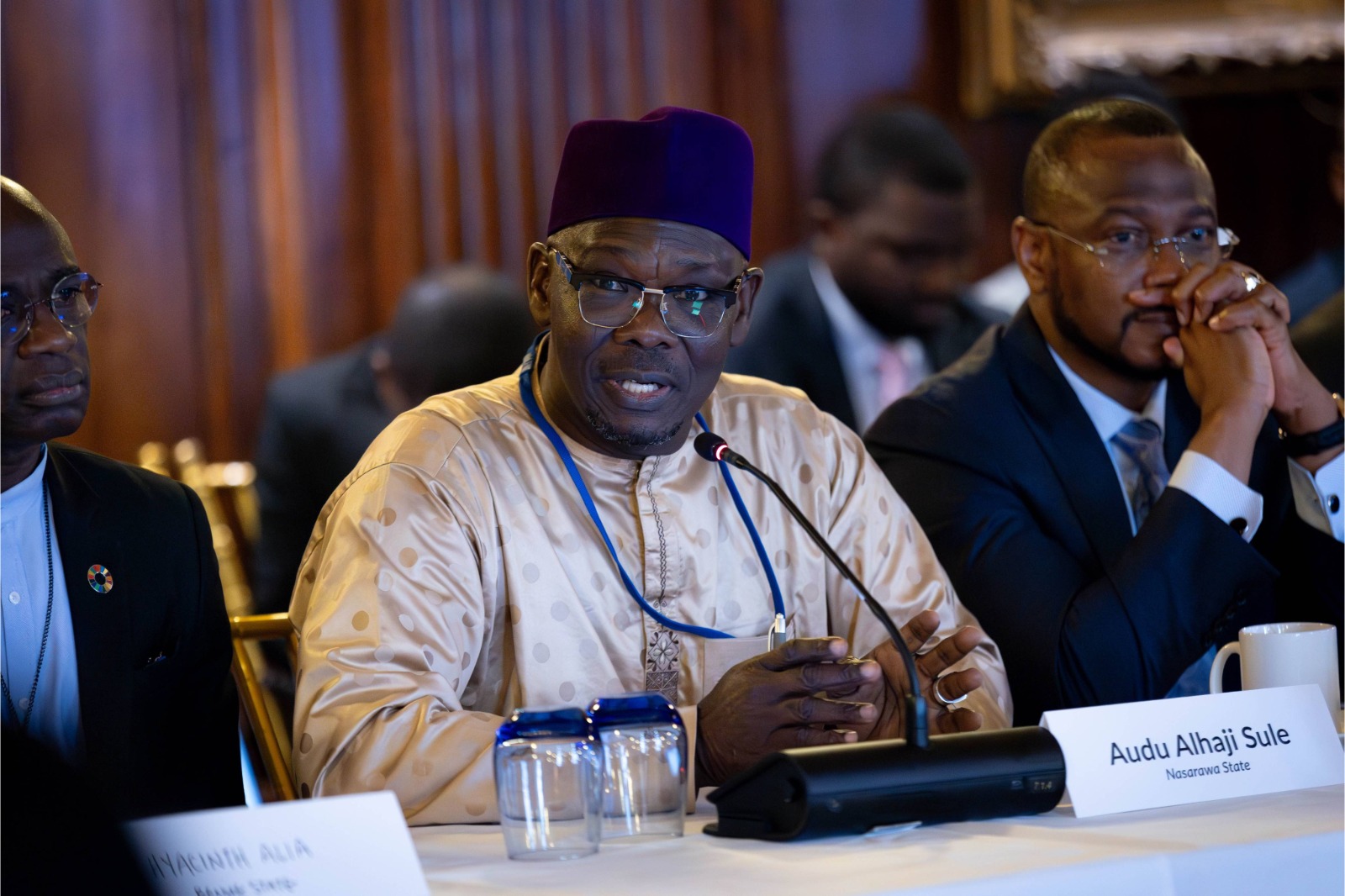
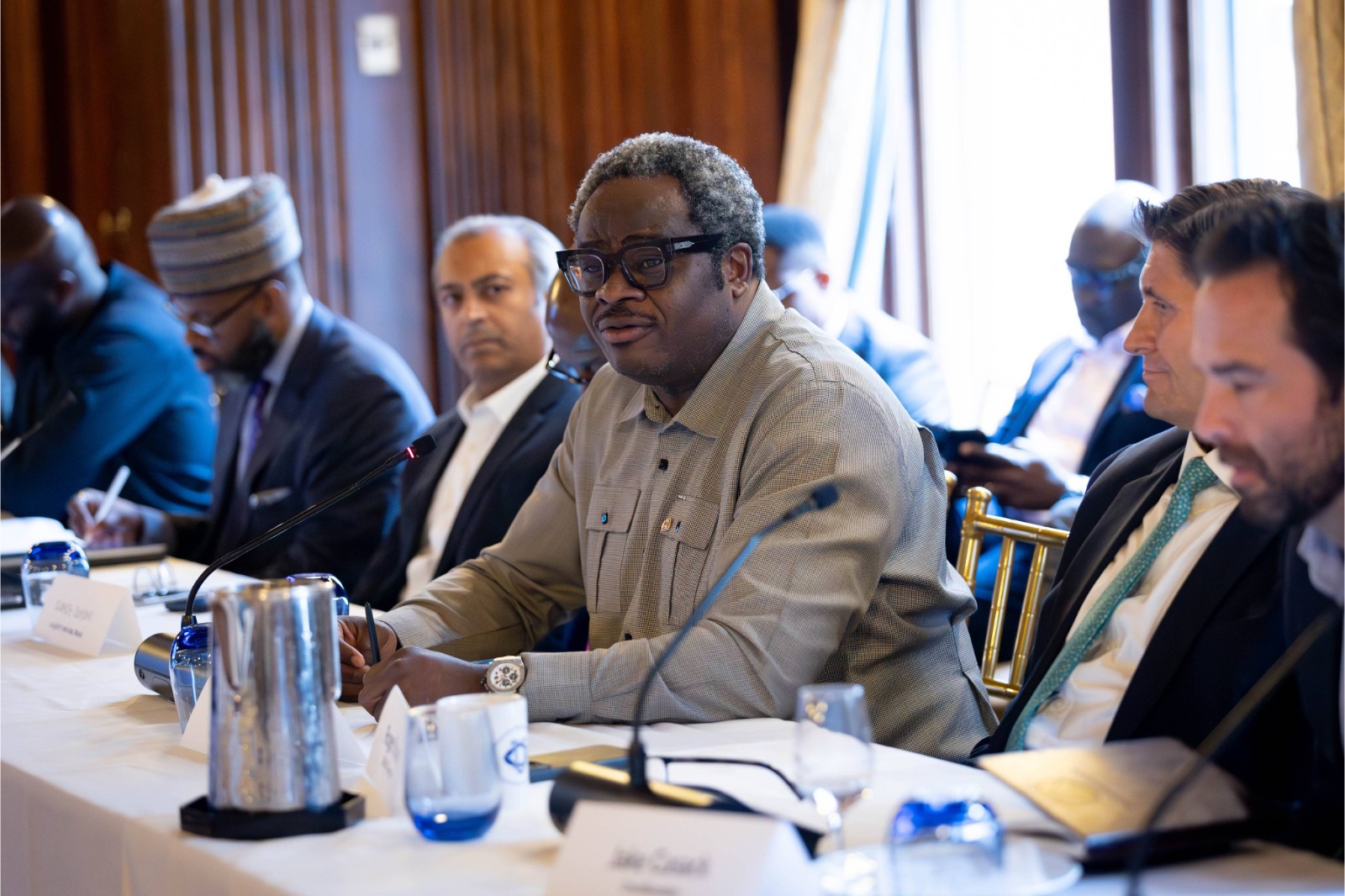
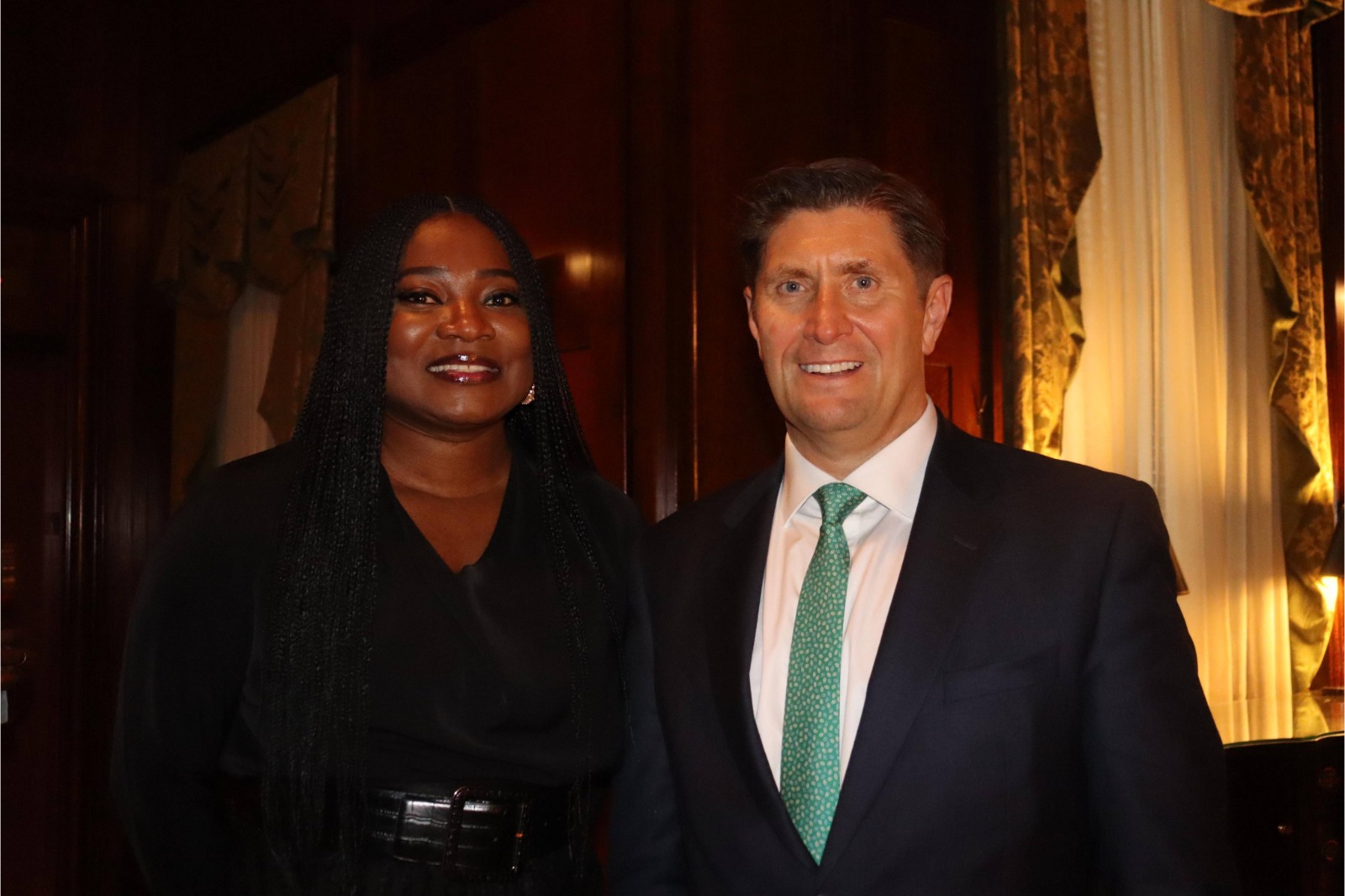
2025 Forum Speakers
- Naomi Nwokolo, Executive Director, UN Global Compact Network Nigeria — opened the Forum, framing SDG alignment as both a moral and an economic imperative and describing the six transition pathways as a strategic lens for impactful investment.
- Mohamed Malick Fall, United Nations Resident and Humanitarian Coordinator in Nigeria — special keynote. He told the room that meeting the SDGs now depends on “collective, decisive action at the local level”, and urged leaders to break down silos, forge stronger partnerships, and commit to concrete action.
- Taiwo Oyedele, then Chairman of the Presidential Fiscal Policy & Tax Reform Committee, now Nigeria’s Minister of Finance and Coordinating Minister of the Economy — special keynote. He disclosed that Nigeria’s forthcoming national fiscal policy would carry a dedicated section on the SDGs, hardwiring development targets into governance.
- Olapeju Ibekwe, CEO, Sterling One Foundation — addressed the urgency of private-sector action, describing the moment as a critical inflection point with less than five years to the 2030 deadline.
Earlier Editions
- CEO Roundtable on the Forward Faster Initiative — 23 September 2024. Mobilised commitments from 20 companies to integrate Forward Faster targets into their strategies.
- Living Wage Business Roundtable — 6 November 2024. Engaged 30 companies on living wage commitments aligned with ILO standards.
- Financing for Development Roundtable in Spain with the Executive Governor of Imo State, Vice President African Development Bank, Chief Risk Office First Bank Holding
Past Attendees and Partners
Organisations publicly associated with past editions of the Forum, drawn from the CEO Forum brochure’s Past Partners list and from published event reporting:
- Sterling Bank / Sterling One Foundation — co-organiser of the 2025 Forum
- United Nations in Nigeria — co-organiser of the 2025 Forum
- First Bank of Nigeria
- Coca-Cola HBC
- NNPC
- One Foundation
- CEO UTMFLNG
- Executive Governor Kaduna State, Zamfara State
- CEO BUA
- CEO Dangote Group
- Chairman Ecobank Bank Group
- CEO Dana Motors
- CEO Julius Berger
- IHS Towers
- Flutterwave
- MAX
- Sparkle MFB
- Tropical General Investments (TGI)
- May & Baker Nigeria
- Filmhouse Group / FilmOne
- EHA Clinics
- Falcon Corporation
- ARM-Harith Infrastructure Investment
- FCMB Asset Management
- Aruwa Capital Management
- Control Risks
- Kreston Pedabo
- NBA Nigeria
- Lagos State Office of Sustainable Development Goals
- Nigerian Economic Summit Group (NESG)
- NACCIMA
- Nigeria Climate Innovation Center
- British Council
- Endeavor Nigeria
- LEAP Africa
- AfriLabs
- Ashoka Africa
- Society for Family Health
- Private Sector Health Alliance of Nigeria
- Palladium International Development
- UNICEF Nigeria
- UNFPA
- UN World Food Programme (WFP)
- Oando
- Axxela
- Seplat
- Glovo
Frequently Asked Questions
Who will actually be in the room?
A closed group of CEOs, senior policymakers, regulators, and investors, invited specifically because of the role they play in Nigeria’s private sector and sustainability landscape. Past editions have featured Nigeria’s fiscal policy leadership and the United Nations Resident and Humanitarian Coordinator in Nigeria.
How sure am I to get in if I apply?
Applications are reviewed individually. We’ll follow up directly to confirm whether you have a seat in the room or an invitation to join virtually.
Is this a conference?
No. It’s a closed-door, invitation-only forum built for direct dialogue, not panels and presentations.
What if I'm not selected for an in-person seat?
You’ll be offered a virtual attendance link so you don’t miss the sessions.
Do I need to be a UN Global Compact signatory to attend?
No. The Forum convenes the wider business community, though the Network’s 158+ Nigerian signatories form a core part of the room.
Is there a cost to attend?
Registration details are still being finalized and will be shared with confirmed attendees.